
Stillbirth refers to the loss of a baby after 20 weeks of pregnancy. It can occur due to various reasons such as placental problems, infections, genetic conditions, maternal health issues, or complications during pregnancy. In some cases, the exact cause may remain unknown, making it emotionally difficult for families.
While stillbirth is a devastating experience, proper medical evaluation can help identify possible causes and reduce risks in future pregnancies. With expert care, monitoring, and planning, many women go on to have healthy pregnancies afterward. Early and continuous care plays a key role in prevention and reassurance.
Stillbirth care is recommended for women who have experienced pregnancy loss or have risk factors that may affect fetal health. Beyond physical care, emotional support and counseling are essential for healing and recovery.
Stillbirth is not just a medical condition—it is a deeply emotional experience that requires compassionate care and understanding. With the right support, healing and hope are possible.
We design individualized care plans based on medical history, risk factors, and future pregnancy goals.
Our approach focuses on emotional healing, medical evaluation, and reducing future risks.

Management focuses on identifying causes, supporting recovery, and planning for a safe future pregnancy.
Identifying possible causes through tests and assessments.
Providing counseling and support during recovery.
Preparing for a healthy and safe future pregnancy.
Stillbirth care involves evaluation, recovery, and future planning. Our team supports you throughout the journey.
Review of medical history, pregnancy details, and risk factors.
Tests and evaluations to identify possible causes.
Recovery care, counseling, and future pregnancy planning.
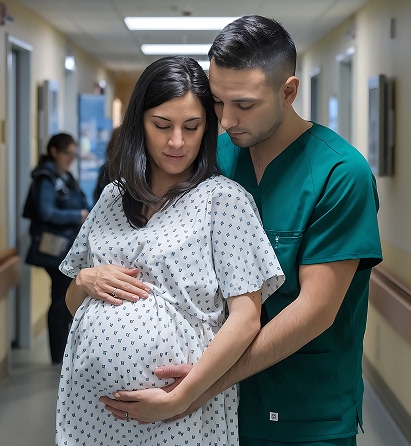
It is the loss of a baby after 20 weeks of pregnancy.
Causes may include placental issues, infections, or maternal conditions.
Not all cases can be prevented, but regular care can reduce risks.
Yes, many women have successful pregnancies afterward.
Reduced fetal movements can be a warning sign.
Yes, tests help identify possible causes.
Stress alone is not a direct cause but should be managed.
Timing depends on your health and doctor’s advice.
Yes, counseling is essential for recovery.
Risk may increase slightly but can be managed with care.
Yes, close monitoring improves outcomes.

we are dedicated to helping individuals and couples achieve dream.
