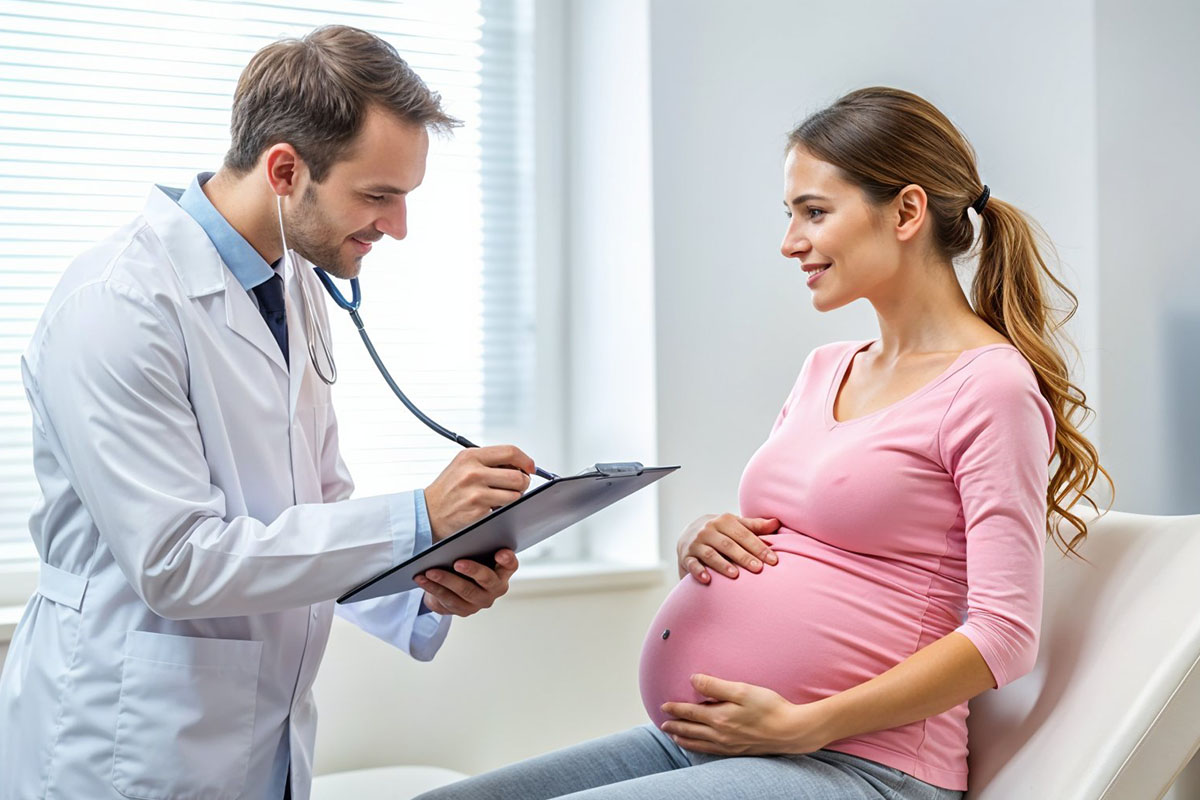
Placental abruption is a serious condition where the placenta separates partially or completely from the uterus before delivery. This can disrupt the baby’s oxygen and nutrient supply and may cause significant bleeding in the mother. It is commonly associated with abdominal pain, vaginal bleeding, and uterine tenderness. Risk factors include high blood pressure, trauma, smoking, or previous history of abruption.
Early recognition and immediate medical care are critical in managing placental abruption. The focus is on stabilizing the mother and ensuring the safety of the baby. Depending on the severity and stage of pregnancy, treatment may involve close monitoring or urgent delivery.
Placental abruption management is recommended for women experiencing symptoms such as bleeding with pain, or those with high-risk factors. Prompt diagnosis and intervention can significantly improve outcomes and reduce complications.
Placental abruption is a medical emergency that requires rapid and specialized care. With expert intervention, many complications can be managed effectively.
Each case is handled individually based on severity, maternal condition, and fetal well-being.
Our approach ensures timely action while providing emotional and medical support during critical situations.

Management focuses on early detection, stabilization, and timely delivery when necessary to protect both mother and baby.
Continuous monitoring of the baby’s heart rate and condition.
Managing bleeding, blood pressure, and overall maternal health.
Planning immediate delivery if the condition becomes severe.
Managing placental abruption involves emergency response, monitoring, and post-delivery care. Our team supports you through every step.
Rapid assessment of symptoms, vital signs, and fetal condition.
Ultrasound, blood tests, and evaluation of severity.
Stabilization, monitoring, and delivery planning with intensive care if needed.
It is the premature separation of the placenta from the uterus before delivery.
Symptoms include abdominal pain, vaginal bleeding, and uterine tenderness.
Yes, it can be serious for both mother and baby if not treated promptly.
Common causes include hypertension, trauma, smoking, and previous history.
With timely medical care, many babies can survive and do well.
Not always, but severe cases may require urgent delivery.
Not entirely, but managing risk factors can reduce the chances.
Yes, there may be an increased risk in future pregnancies.
Most cases require hospital care for monitoring and treatment.
Yes, mild cases may be monitored closely with medical supervision.
Seek immediate medical attention, as it is an emergency condition.

we are dedicated to helping individuals and couples achieve dream.
