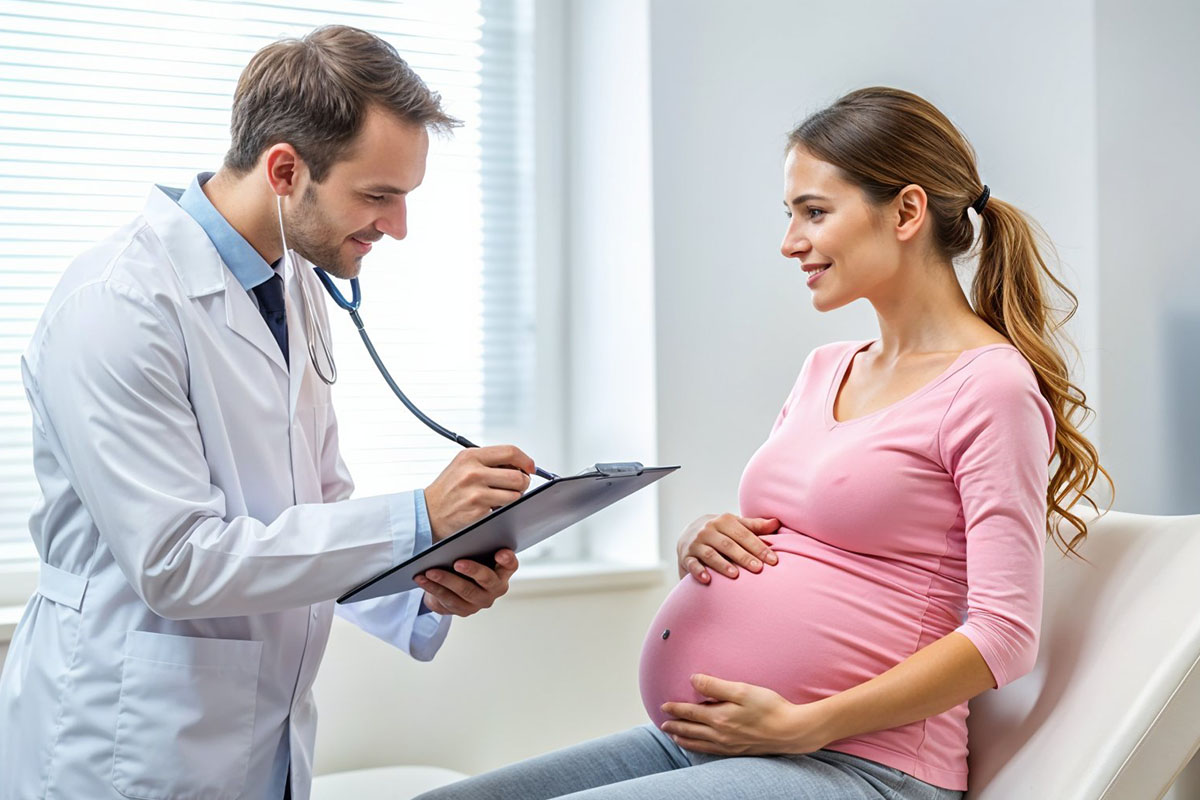
Our Mother & Child Care Department focuses on the care of women during pregnancy, childbirth, and the post-delivery period. It is a crucial phase that requires continuous monitoring, medical guidance, and emotional support to ensure the health of both mother and baby.
Pregnancy is a life-changing journey filled with excitement and responsibility. Regular check-ups, timely screenings, and proper care help in identifying potential risks early and ensuring a safe delivery. From conception to childbirth, expert obstetric care plays a vital role in achieving healthy outcomes.
Obstetric care is essential for all expecting mothers, especially those with high-risk conditions such as diabetes, hypertension, or previous pregnancy complications. With advanced medical support and personalized attention, every pregnancy can be guided safely.
Every pregnancy is unique and requires individualized attention, careful monitoring, and professional guidance to ensure a safe and healthy experience.
We design care plans based on medical history, pregnancy progress, and individual needs.
Our team ensures emotional reassurance, medical safety, and continuous care at every stage.

Infertility treatment focuses on identifying the cause, restoring reproductive health, and supporting successful conception through natural or assisted methods.
Regular monitoring for a healthy pregnancy.
Ensuring smooth normal or cesarean childbirth.
Recovery support for mother and newborn.
Infertility management involves a step-by-step process including evaluation, diagnosis, and treatment, ensuring a smooth and guided journey toward parenthood.
Diagnosis & Monitoring Ultrasound, blood tests, and fetal assessments.
Delivery & Postnatal Care Safe childbirth and recovery management.
Ovulation induction, IUI, IVF, or other therapies with continuous monitoring and guidance.
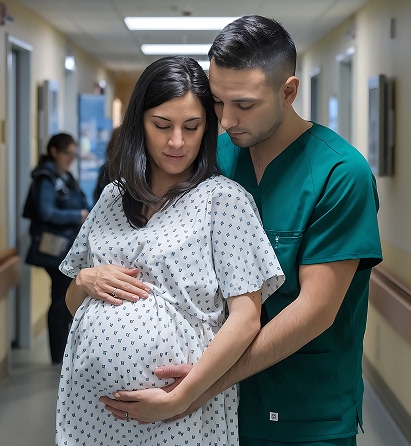
Antenatal care refers to regular medical check-ups during pregnancy to monitor the health of both mother and baby and detect any complications early.
Typically, visits are monthly until 28 weeks, bi-weekly until 36 weeks, and weekly after that, but this may vary depending on your condition.
Pregnancies with conditions like diabetes, high blood pressure, multiple babies, or previous complications are considered high-risk.
Not always. While many women can have a normal delivery, certain medical conditions may require a cesarean section.
It is needed when there are risks to the mother or baby, such as fetal distress, abnormal positioning, or complications during labor.
Maintain a healthy diet, avoid harmful substances, take prescribed supplements, and attend regular check-ups.
Very important. A balanced diet supports the baby’s growth and keeps the mother healthy.
Yes, light to moderate exercise is usually safe, but always consult your doctor before starting any routine.
Severe abdominal pain, bleeding, reduced fetal movement, or high fever should be reported immediately.
Recovery varies but usually takes 4–6 weeks for normal delivery and slightly longer for cesarean delivery.

we are dedicated to helping individuals and couples achieve dream.
