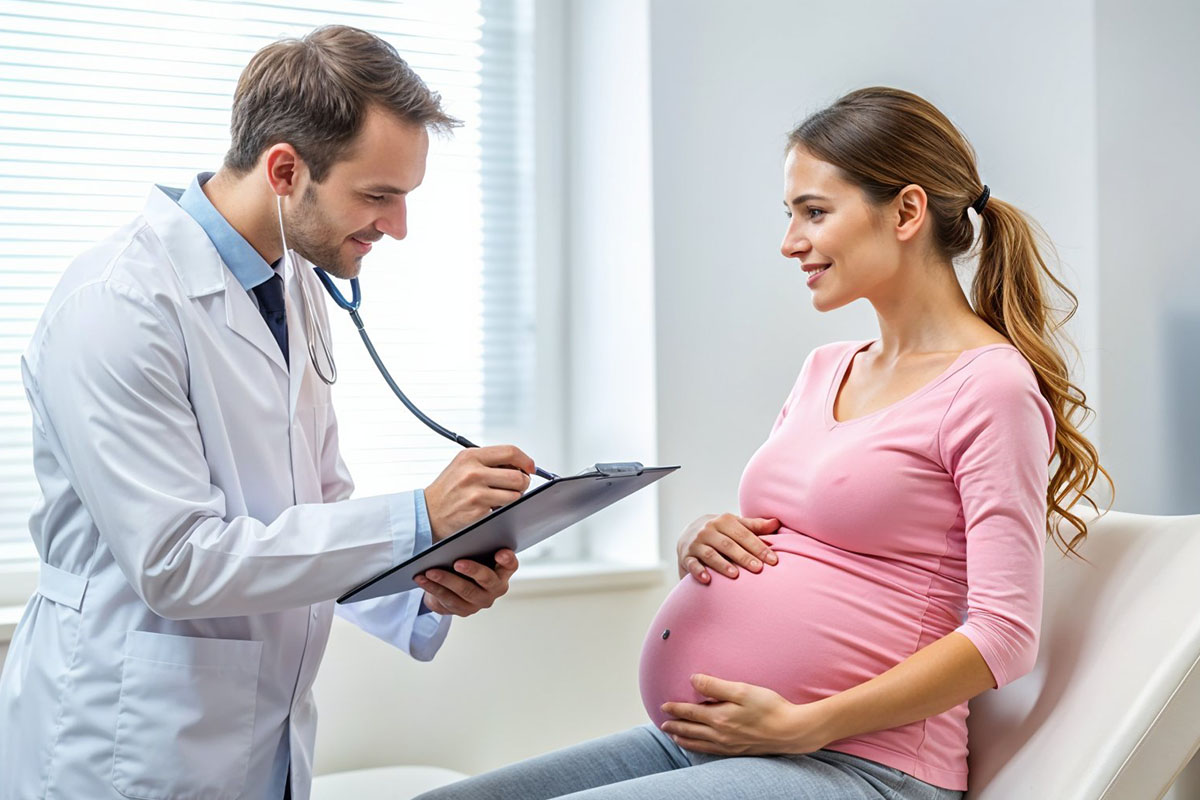
Cesarean Section (C-Section) is a surgical procedure used to deliver a baby through an incision made in the mother’s abdomen and uterus. It is recommended when a normal vaginal delivery is not safe for the mother or the baby.
C-sections may be planned in advance or performed as an emergency during labor. Common reasons include fetal distress, abnormal baby position, multiple pregnancies, or certain maternal health conditions. With modern techniques and advanced monitoring, cesarean delivery has become a safe and widely practiced method of childbirth.
The goal of a C-section is to ensure the safest possible outcome for both mother and baby, especially in situations where complications may arise during normal delivery.
Each delivery plan is customized based on the mother’s health, pregnancy condition, and baby’s well-being.
We provide emotional reassurance and medical support at every stage—from preparation to recovery.
Infertility treatment focuses on identifying the cause, restoring reproductive health, and supporting successful conception through natural or assisted methods.
Ensuring the health and safety of both mother and baby.
Modern techniques for reduced pain and faster healing.
Guidance for recovery and newborn care.
Infertility management involves a step-by-step process including evaluation, diagnosis, and treatment, ensuring a smooth and guided journey toward parenthood.
Assessment of pregnancy, health conditions, and delivery planning.
Tests, anesthesia evaluation, and surgical readiness.
Safe cesarean procedure followed by monitoring and care.
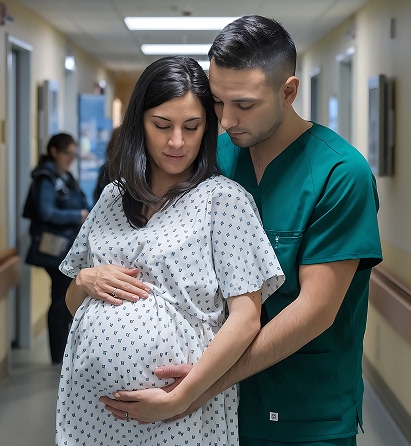
Timely decision for a cesarean section can prevent serious complications such as fetal distress, prolonged labor, or maternal health risks. Early intervention ensures a safer delivery and reduces the chances of emergency situations.
Low transverse incisions for minimal scarring and quicker recovery.
Safe epidural or spinal anesthesia for comfort during surgery.
Real-time tracking of maternal and fetal vital signs.
Immediate assessment and care for the newborn.
Most mothers recover within 4–6 weeks after a cesarean section. Light activities can be resumed within a few days, while complete healing takes a few weeks.
Proper rest, wound care, and gradual return to activity are important. Patients are advised to avoid heavy lifting and follow medical guidance for a smooth recovery.
Although generally safe, cesarean delivery may involve risks such as infection, bleeding, blood clots, or reactions to anesthesia. Recovery time is longer compared to vaginal delivery. With expert care, these risks are minimized.
Dr. Rashmi Shriya is highly experienced in both planned and emergency cesarean deliveries. She ensures safe surgical outcomes with advanced techniques and careful monitoring.
Her patient-centered approach provides clear communication, emotional support, and comprehensive care throughout pregnancy, delivery, and recovery.
Yes, it is a safe procedure when performed by experienced specialists with proper monitoring.
Recovery usually takes about 4–6 weeks, with gradual return to normal activities.
Yes, many women can opt for VBAC depending on medical conditions.
Yes, spinal or epidural anesthesia is commonly used and considered safe.
Yes, breastfeeding can usually begin shortly after delivery.
There may be some risks, but with proper care, most women have healthy future pregnancies.s

we are dedicated to helping individuals and couples achieve dream.
