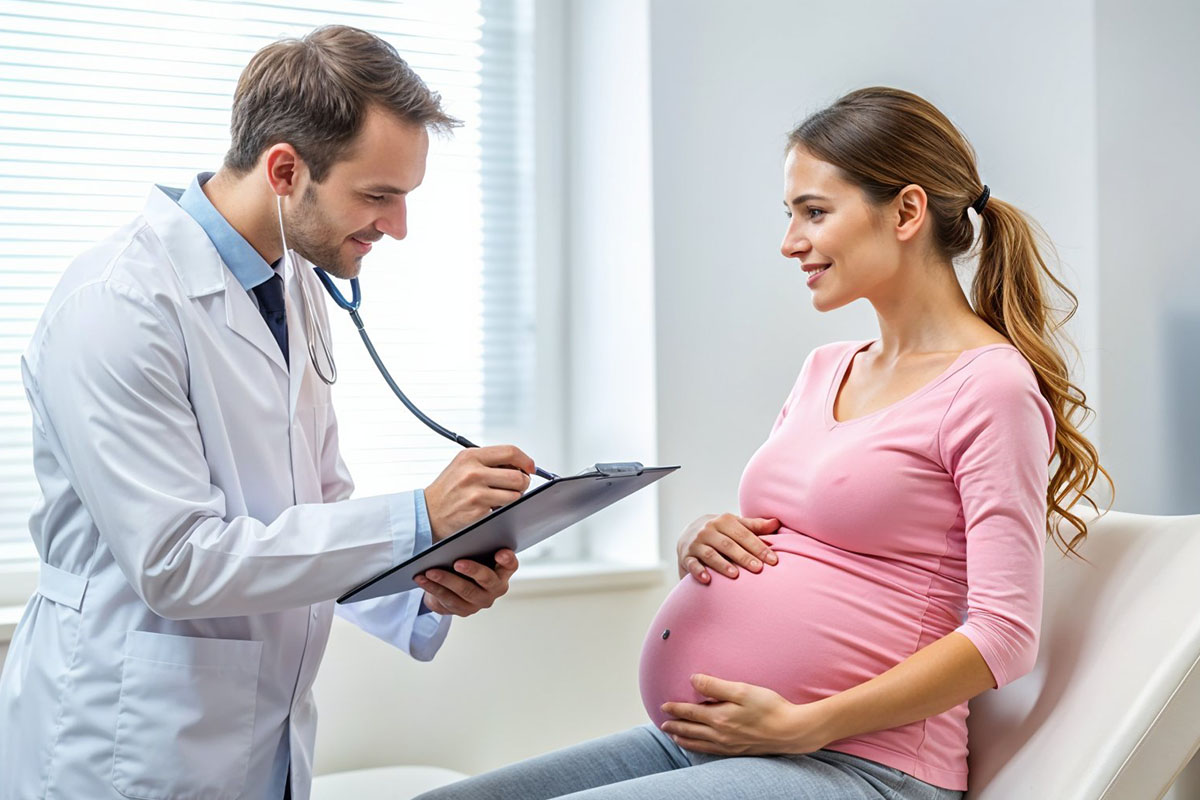
Laparoscopic Gynaecology involves minimally invasive surgical techniques used to diagnose and treat various gynecological conditions. It uses small incisions, advanced cameras, and precision instruments for safer and faster procedures.
Compared to traditional open surgery, laparoscopic procedures offer less pain, minimal scarring, shorter hospital stays, and quicker recovery. It is widely used for treating fibroids, ovarian cysts, endometriosis, and other pelvic conditions.
This approach is ideal for women seeking effective treatment with faster healing and minimal disruption to daily life.
Minimally invasive techniques allow precise diagnosis and treatment with better patient outcomes.
Every procedure is tailored to the patient’s condition and health requirements.
Our approach ensures minimal discomfort and quicker return to routine life.
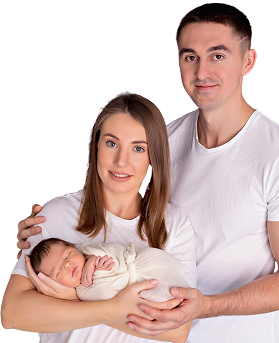
Infertility treatment focuses on identifying the cause, restoring reproductive health, and supporting successful conception through natural or assisted methods.
Identifying the root cause with advanced imaging.
Targeted treatment with minimal incision.
Faster healing and reduced hospital stay.
Infertility management involves a step-by-step process including evaluation, diagnosis, and treatment, ensuring a smooth and guided journey toward parenthood.
Ultrasound and laparoscopy-based assessment.
Safe surgery with post-operative care.
Ovulation induction, IUI, IVF, or other therapies with continuous monitoring and guidance.
It is a minimally invasive procedure performed through small incisions using a camera and specialized instruments.
It is safe for most conditions, but suitability depends on the patient’s health and complexity of the disease.
Recovery is usually quick, with most patients resuming normal activities within a few days to a week.
Pain is minimal compared to open surgery and can be managed with medication.
Like any surgery, there are small risks such as infection or bleeding, but complications are rare.
Yes, many fibroids can be safely removed using laparoscopic techniques.
Scars are very small and usually barely visible over time.
Most patients can return to daily activities within a few days.
Yes, but usually for a shorter duration compared to traditional surgery.
In most cases, yes—due to less pain, quicker recovery, and minimal scarring.

we are dedicated to helping individuals and couples achieve dream.
