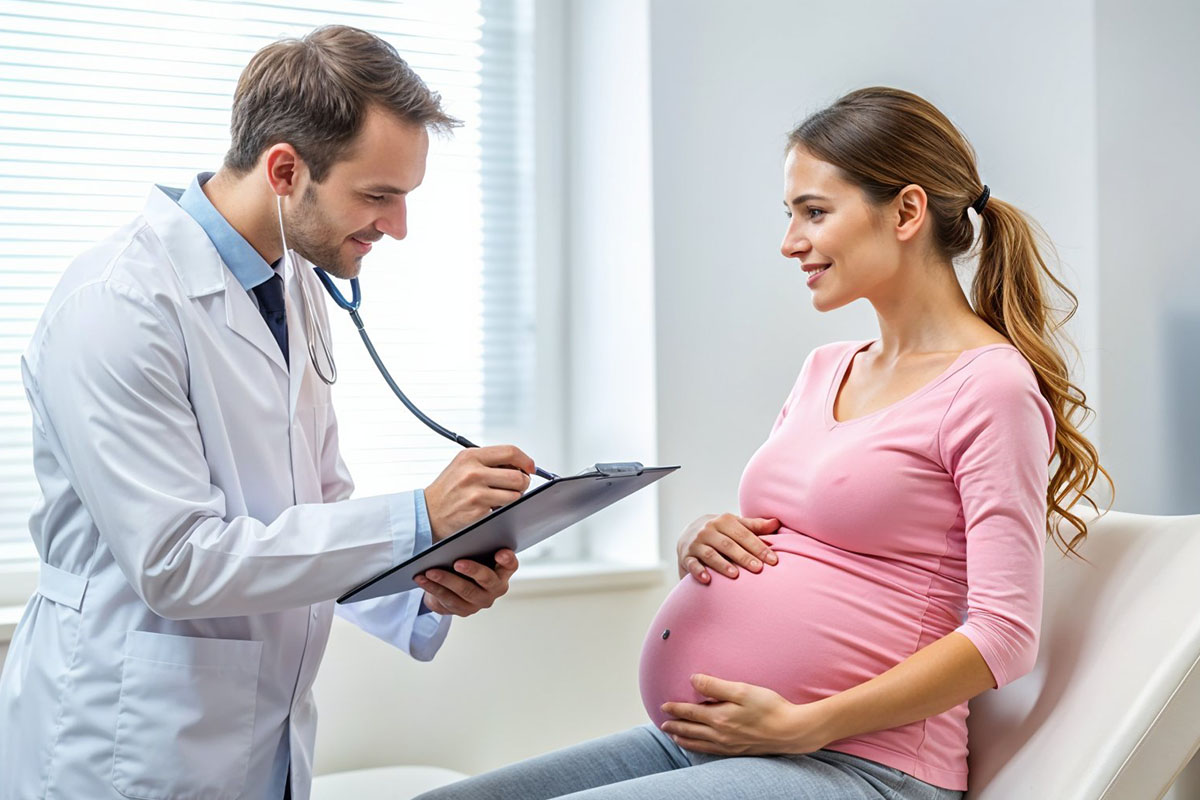
3D Laparoscopic Myomectomy is a minimally invasive surgical procedure designed to remove uterine fibroids and other abnormal growths while preserving the uterus. It is especially recommended for women who wish to maintain fertility or avoid complete removal of the uterus.
Fibroids can lead to symptoms such as heavy menstrual bleeding, pelvic pain, abdominal pressure, frequent urination, infertility, or recurrent pregnancy loss. With advanced laparoscopic techniques, these issues can be treated effectively with minimal discomfort and faster recovery.
Using enhanced 3D visualization, this procedure allows precise removal of fibroids through small incisions. It ensures minimal blood loss, reduced scarring, and quicker healing compared to traditional open surgery.
3D laparoscopic myomectomy combines surgical precision with advanced technology to ensure safe and effective outcomes. With expert guidance and careful planning, patients receive the highest standard of care.
Each treatment plan is tailored based on the size, number, and location of fibroids along with the patient’s fertility goals.
Our approach focuses on both physical recovery and emotional reassurance, helping patients feel confident and supported throughout the process.
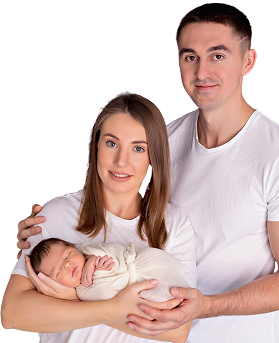
Maintaining the uterus for future pregnancy possibilities.
Reducing heavy bleeding, pain, and pressure symptoms.
Smaller incisions with faster recovery and minimal scarring.
Infertility management involves a step-by-step process including evaluation, diagnosis, and treatment, ensuring a smooth and guided journey toward parenthood.
Detailed evaluation including medical history, ultrasound, or MRI scans.
Assessment of fibroid size, number, and treatment strategy.
Safe laparoscopic procedure followed by guided recovery support.
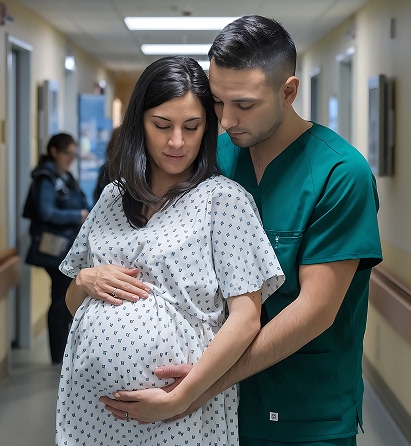
Early intervention helps prevent fibroids from growing larger, reduces the risk of anemia caused by heavy bleeding, and protects future fertility. Addressing symptoms early also improves overall quality of life and prevents long-term complications.
Enhanced depth perception for precise surgical performance.
Improved bleeding control and safer tissue handling.
Strong internal repair of the uterus for better healing.
Safe removal of large fibroids through small incisions.
Like any surgery, there may be minor risks such as bleeding, infection, or scar tissue formation. In rare cases, fibroids may recur. However, with expert care and proper follow-up, complications are minimal and manageable.
With extensive experience in advanced laparoscopic gynecological procedures, Dr. Rashmi Shriya provides precise, safe, and patient-centered care. Her expertise in fertility-preserving surgeries ensures that patients receive not just treatment, but long-term reproductive health support.
Her approach combines advanced surgical techniques with compassionate care, ensuring every patient feels informed, comfortable, and confident throughout their journey.
Fibroids are non-cancerous growths in the uterus that vary in size and may cause symptoms like heavy bleeding or pain.
They affect the normal uterine lining and increase blood flow, leading to heavy periods and discomfort.
If you experience heavy bleeding, pain, infertility, or rapid growth of fibroids, treatment is recommended.
It is a minimally invasive surgery where fibroids are removed using small incisions and a camera-guided system.
No, it is designed to preserve fertility and may improve chances of conception.
Most patients resume daily activities within 1–2 weeks, with full recovery in a few weeks.
Pain is minimal and well-controlled with medication after the procedure.
Scars are very small and usually fade over time.
There is a small chance of recurrence, but most patients experience long-term relief.
Avoid heavy activity, follow a healthy routine, and attend follow-up visits as advised.

we are dedicated to helping individuals and couples achieve dream.
