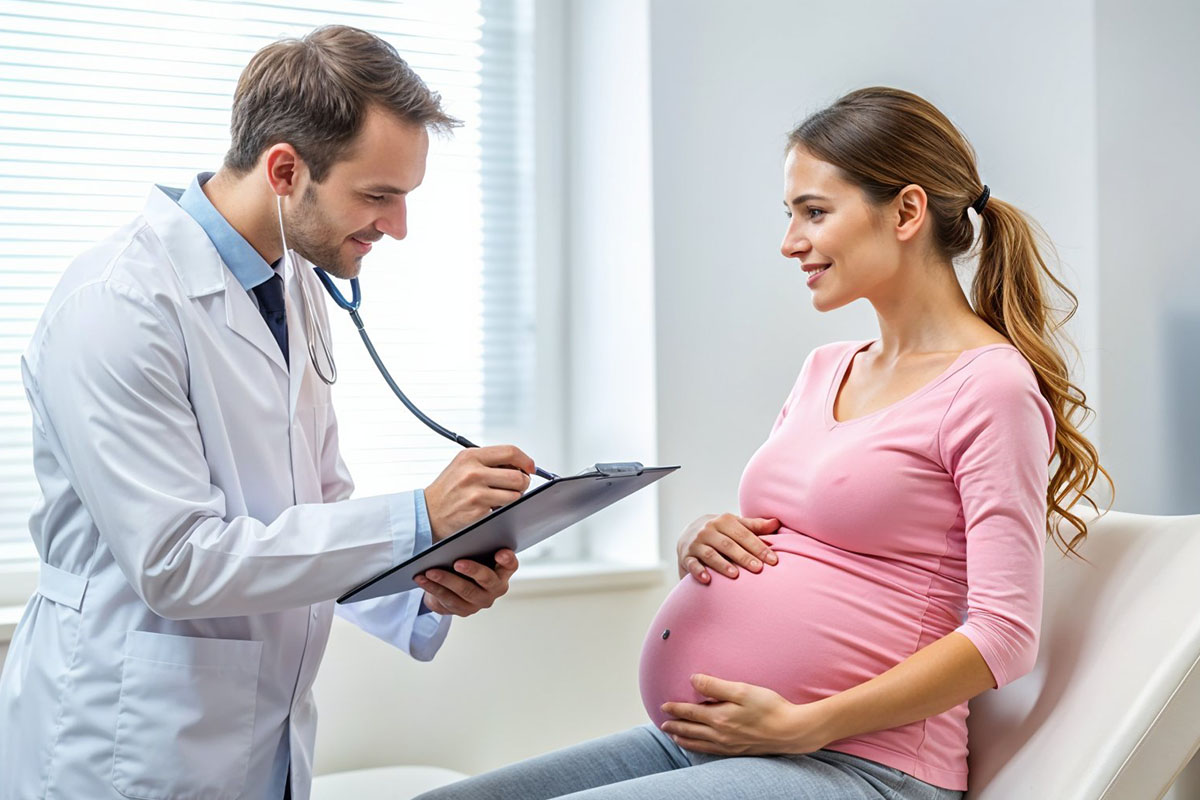
Postpartum infection refers to infections that occur after childbirth, affecting the uterus, surgical wounds, urinary tract, or breasts. It can develop due to prolonged labor, cesarean delivery, retained tissue, or poor hygiene. Symptoms may include fever, pain, foul-smelling discharge, and delayed recovery.
Early diagnosis and prompt treatment are essential to prevent complications. Most postpartum infections can be effectively treated with antibiotics and supportive care. With proper management, recovery is usually quick and complete.
Postpartum infection care is recommended for women experiencing fever, pain, or unusual symptoms after delivery. Timely treatment helps prevent the spread of infection and ensures faster recovery.
Postpartum infections require careful monitoring and timely treatment. With expert care, most women recover quickly and safely.
We create individualized treatment plans based on the type and severity of infection.
Our approach focuses on effective treatment while ensuring comfort and emotional support.

Management focuses on early detection, effective treatment, and preventing complications.
Antibiotics and care to eliminate infection.
Managing fever, pain, and discomfort.
Ensuring complete recovery and well-being.
Managing postpartum infection involves diagnosis, treatment, and follow-up care. Our team supports you throughout recovery.
Assessment of symptoms, delivery history, and overall health.
Blood tests, examination, and identification of infection source.
Antibiotic therapy, monitoring, and recovery care.
It is an infection that occurs after childbirth.
Fever, pain, and abnormal discharge are common signs.
Treatment usually involves antibiotics and supportive care.
It can be serious if untreated but is manageable with timely care.
Proper hygiene and medical care reduce the risk.
Most infections resolve within a few days to weeks.
Some cases may require hospital care.
Most infections can be managed without stopping breastfeeding.
Yes, surgical delivery increases infection risk.
If you have fever, pain, or unusual symptoms after delivery.
Recurrence is possible but can be prevented with proper care.

we are dedicated to helping individuals and couples achieve dream.
