
Miscarriage refers to the loss of a pregnancy before 20 weeks and is most common during the first trimester. It can occur due to chromosomal abnormalities, hormonal imbalances, infections, uterine abnormalities, or underlying medical conditions. Symptoms may include vaginal bleeding, abdominal pain, and passage of tissue.
While miscarriage can be emotionally challenging, it is a relatively common occurrence, and many women go on to have successful pregnancies afterward. With proper medical care, the cause can often be identified, and future risks can be reduced. Early diagnosis and appropriate management help ensure physical recovery and emotional healing.
Miscarriage care is recommended for women experiencing pregnancy loss, recurrent miscarriages, or related symptoms. Beyond medical treatment, supportive care plays a crucial role in recovery and planning for future pregnancies.
Miscarriage is not just a physical event—it is an emotional experience that requires compassionate and comprehensive care. With the right support, recovery and hope for future pregnancy are possible.
We design individualized care plans based on medical history, underlying causes, and future fertility goals.
Our approach focuses on physical healing, emotional support, and reducing the risk of recurrence.

Management focuses on safe treatment, identifying causes, and preparing for a healthy future pregnancy.
Medication or procedures to safely manage pregnancy loss.
Counseling and guidance to help cope with loss.
Evaluation and treatment to support successful future pregnancies.
Miscarriage care involves diagnosis, treatment, recovery, and follow-up. Our team supports you through every phase.
Assessment of symptoms, medical history, and pregnancy status.
Ultrasound, blood tests, and identification of possible causes.
Medical or surgical management and emotional care support.
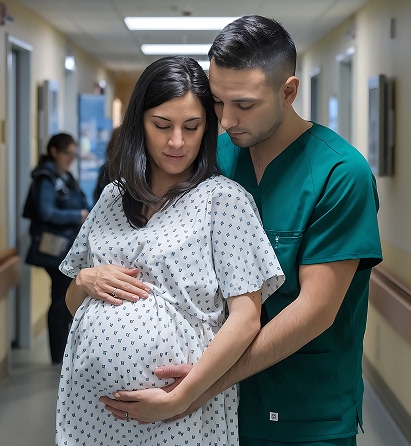
Most miscarriages occur due to chromosomal abnormalities in the fetus.
Not always, but managing health conditions can reduce risks.
Yes, many pregnancies end in miscarriage, especially early ones.
Yes, many women have successful pregnancies afterward.
It depends on individual health; consult your doctor for guidance.
Stress alone is not a direct cause but should be managed for overall health.
Bleeding and abdominal pain are common signs.
Some cases require medical or surgical management.
Yes, underlying causes can often be identified and managed.
In most cases, it does not affect long-term fertility.
Yes, emotional healing is a key part of recovery.

we are dedicated to helping individuals and couples achieve dream.
