
Placenta previa is a condition where the placenta partially or completely covers the cervix, the opening of the uterus. This can lead to painless vaginal bleeding during pregnancy, especially in the second or third trimester. It occurs when the placenta implants low in the uterus instead of the upper region. Risk factors include previous cesarean sections, multiple pregnancies, or uterine surgeries.
With early diagnosis through ultrasound and careful monitoring, placenta previa can be managed safely. The primary goal is to prevent bleeding complications and ensure a safe delivery for both mother and baby. Many cases resolve on their own as the uterus grows, but some may require planned medical care.
Placenta previa management is recommended for women diagnosed with low-lying placenta or experiencing bleeding during pregnancy. Regular follow-ups help assess placental position and guide safe pregnancy progression. Proper care reduces risks and supports maternal and fetal well-being.
Placenta previa requires close observation and careful planning. With expert care and timely decisions, most women can have safe deliveries and healthy babies.
We create individualized care plans based on placental position, bleeding risk, and gestational age.
Our approach focuses on minimizing complications while ensuring comfort and reassurance for expectant mothers.

Management focuses on monitoring placental position, preventing bleeding, and planning delivery at the right time.
Ensuring healthy growth and development of the baby throughout pregnancy.
Managing bleeding risks and maintaining maternal stability.
Scheduling cesarean delivery if the placenta covers the cervix.
Managing placenta previa involves diagnosis, monitoring, and delivery planning. Our team supports you throughout the journey.
Evaluation of symptoms, pregnancy history, and initial ultrasound findings.
Detailed ultrasound to assess placental location and develop a care plan.
Regular monitoring, bleeding management, and delivery preparation.
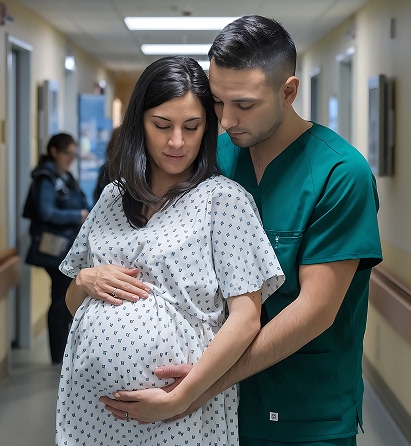
It is a condition where the placenta covers or lies close to the cervix.
Painless vaginal bleeding in the later stages of pregnancy is the most common symptom.
Yes, in some cases the placenta moves upward as the uterus grows.
If the placenta covers the cervix, a cesarean section is usually required.
It may be advised depending on the severity and bleeding risk.
With proper care and monitoring, most babies are born healthy.
Avoid heavy activity, intercourse, and follow your doctor’s advice strictly.
Travel may be restricted depending on your condition.
Yes, prior uterine surgeries increase the likelihood of placenta previa.
Not always, but any bleeding should be treated as an emergency.
Some cases may require hospital care for close monitoring.

we are dedicated to helping individuals and couples achieve dream.
